
Applied Research
Turn mission-relevant uncertainty into bounded questions, testable propositions, and a disciplined research plan.
Explore the framework
Phantoms Institute
Phantoms Institute is an independent, nonprofit research institution advancing national-security capabilities through applied research, experimentation, technical evaluation, and technology transition.
We bring disciplined inquiry to mission problems that demand independent analysis, defensible evidence, and a clear path to use.
Research with operational relevance
Consequential ideas often move forward with critical assumptions still untested. We structure research to clarify the problem, examine alternatives, and build an evidence base for responsible decisions.
Turn mission-relevant uncertainty into bounded questions, testable propositions, and a disciplined research plan.
Explore the frameworkTest assumptions, compare alternatives, and generate traceable evidence through fit-for-purpose methods.
See our capabilitiesConnect findings to remaining evidence gaps, stakeholder decisions, and credible routes toward application.
Follow the evidenceEvidence for the capabilities that come next
A strong concept is only a starting point. Useful capability emerges when the mission need is clear, assumptions are exposed, evidence is examined, and transition decisions are designed into the work.
Clarify the mission, operating context, decision, and uncertainty that matter.
Select methods, evidence requirements, safeguards, and review points suited to the question.
Investigate the question, challenge assumptions, and document findings and limitations.
Translate the evidence into justified next steps, follow-on research, or application pathways.
Areas of inquiry
The Institute's initial agenda concentrates on four research domains where technology, human performance, systems integration, and mission outcomes intersect.
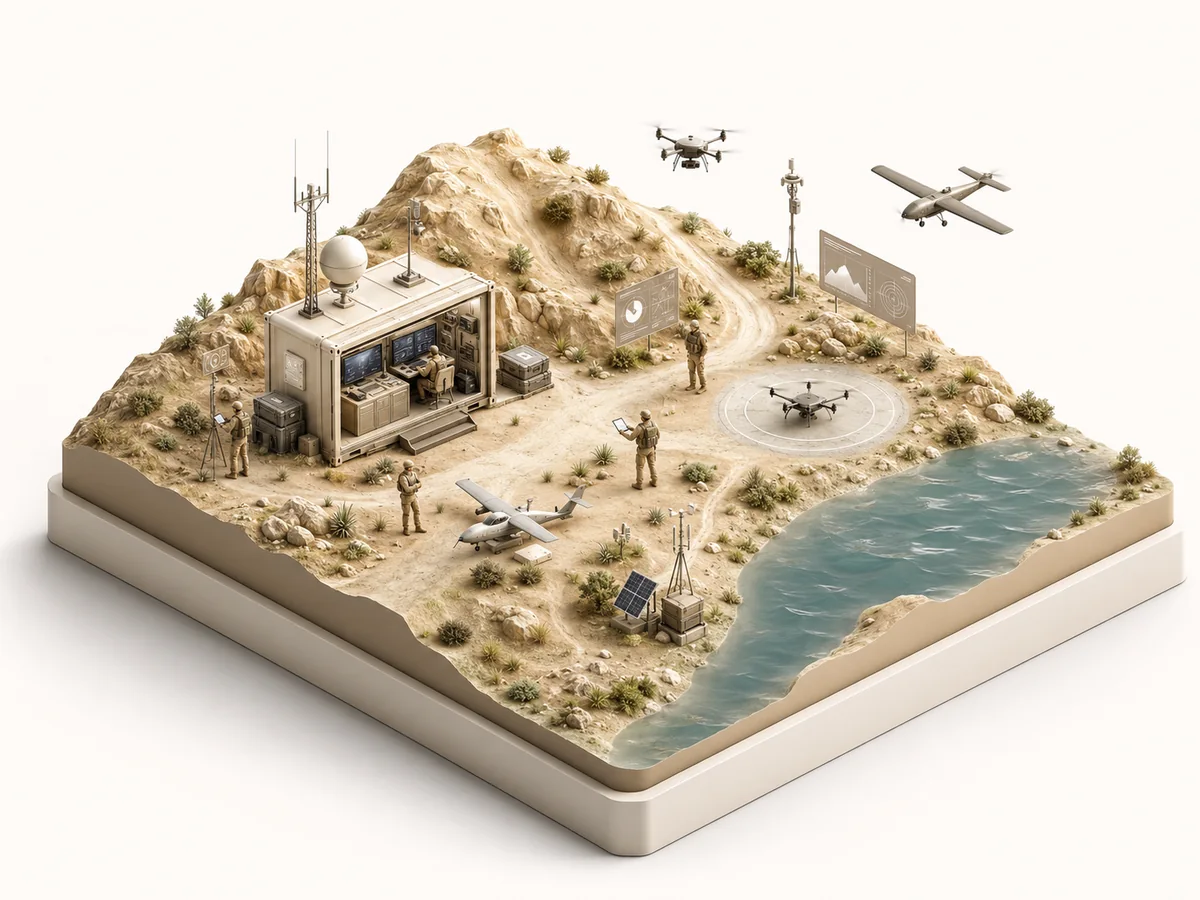
Research into human-machine teaming, resilient navigation, sensing, mission planning, and responsible autonomy across air, ground, and maritime environments.
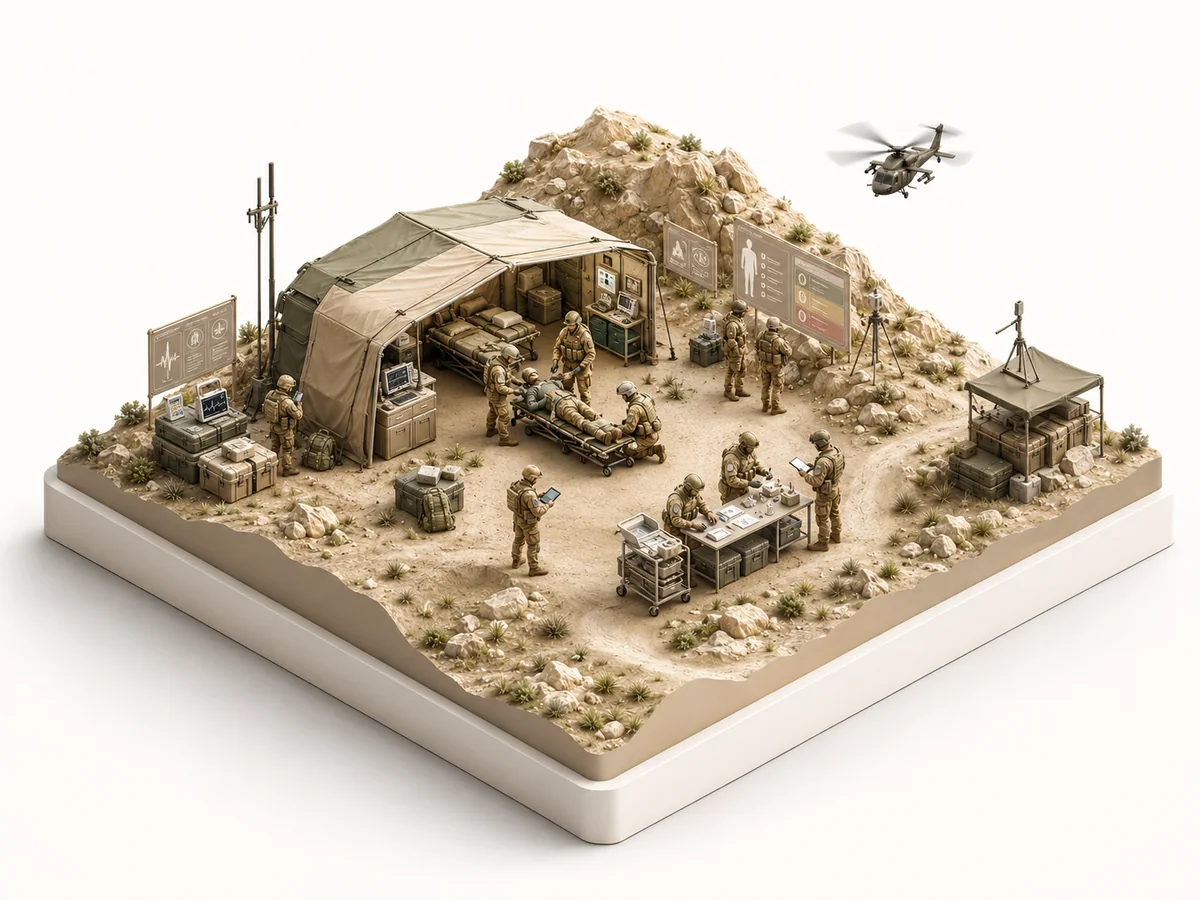
Research examining how tools, protocols, and training could improve casualty assessment, stabilization, evacuation, and care in austere or resource-constrained settings.
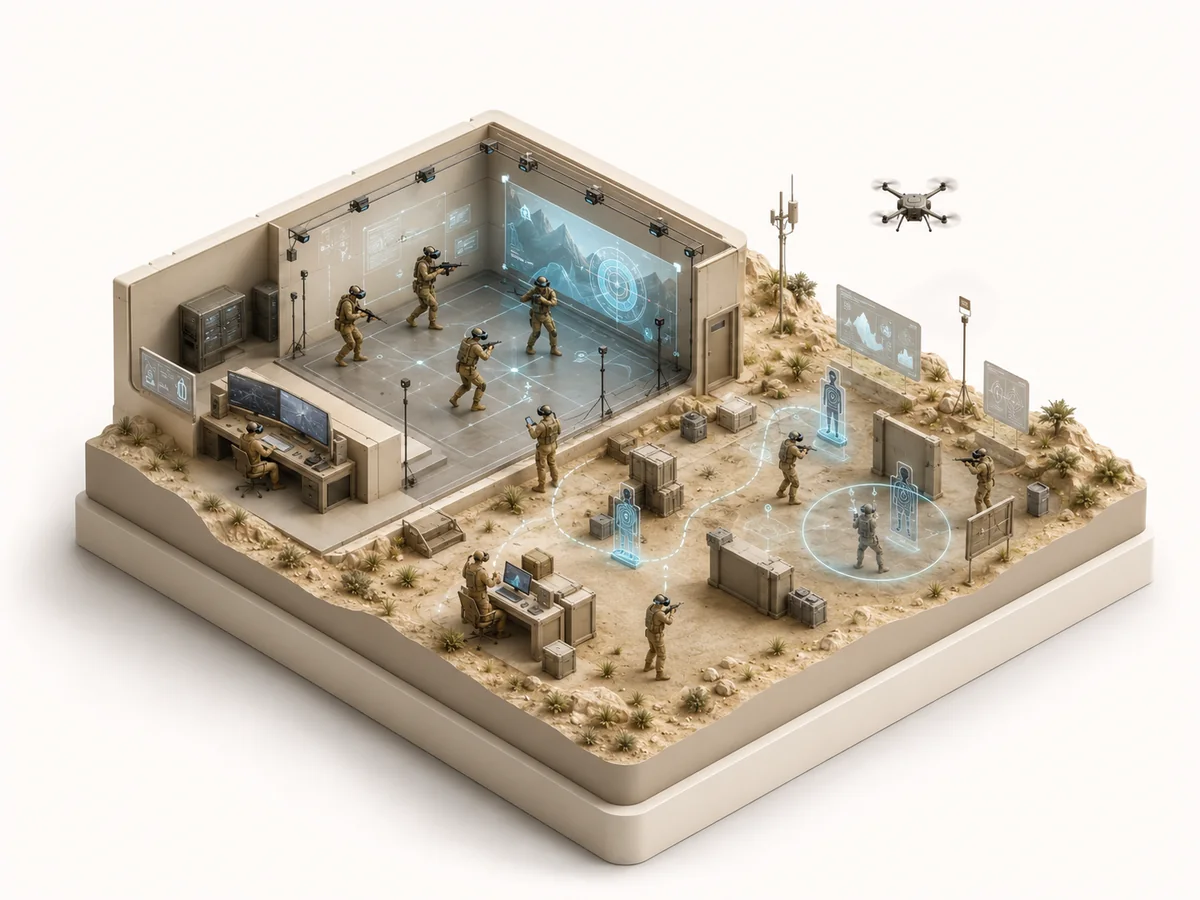
Research exploring how virtual, augmented, and mixed-reality environments could support mission rehearsal, decision-making, skill development, and performance assessment.
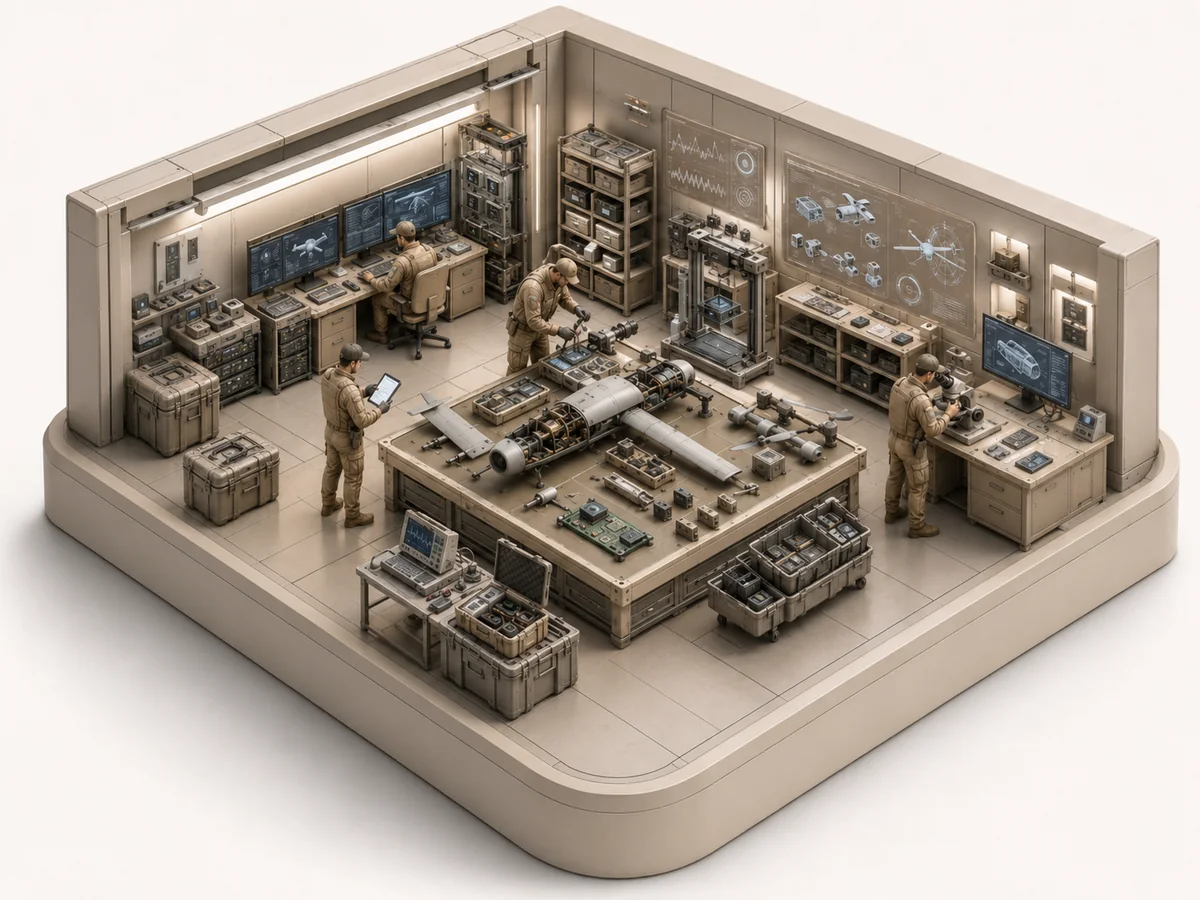
Research into translating mission needs into testable physical concepts through requirements analysis, system architecture, integration planning, and prototype evaluation.
Credibility is built when methods are visible, evidence is traceable, and limits are stated plainly.
Public research
Public-release reports, technical briefs, methods notes, and research perspectives will be published as the Institute's work develops.
Phantoms Institute is an independent research organization. It is not a component of the United States Government and does not speak on behalf of any government organization. References to national-security missions, agencies, or programs do not imply sponsorship or endorsement.
Begin with the research question
Tell us what needs to be understood, what decision the evidence must inform, and why the question matters.